15 The topic of this glossary is Biotechnology. terms
My name is Anneke Schrey and I attend Ahuntsic College. My field is Biotechnology and I have been studying in this field for a year. This glossary will define 15 terms often used in this field. I hope it will help readers expand or deepen their understanding of important vocabulary in Biotechnology. The glossary will include the definition, the part of speech, an example, the French translation, the pronunciation and an image of each term.
biodiversity
noun
The variety of living things in the world or in a certain habitat or ecosystem.
Example: There is a question over whether it is appropriate to take a large number of high-value species in exchange for a lower total number, or whether a larger total loss is more damaging to wildlife populations, BIODIVERSITY and perhaps perception.
fr: biodiversité
biology
noun
The branch of science that studies life and living organisms.
Example: Indeed, these cultures may be a rarity, but it clearly shows that BIOLOGY cannot be used as a universal construct as its importance is not universally considered or respected and therefore gender is an extremely important category for analysis.
fr: biologie
biotechnology
noun
The technology that uses biological processes for industrial and other purposes, especially the genetic manipulation of microorganisms for the development of different products (antibiotics, hormones, etc.).
Example: Commercializing BIOTECHNOLOGY in the UK.
fr: biotechnologie
DNA
noun
Molecule that carries genetic information for the development and functioning of a living being.
Example: Further research has shown small amounts of DNA, arranged in a covalently closed circular form, to be present in the mitochondria of plants, animals and fungi and in the chloroplasts of plants.
fr: ADN
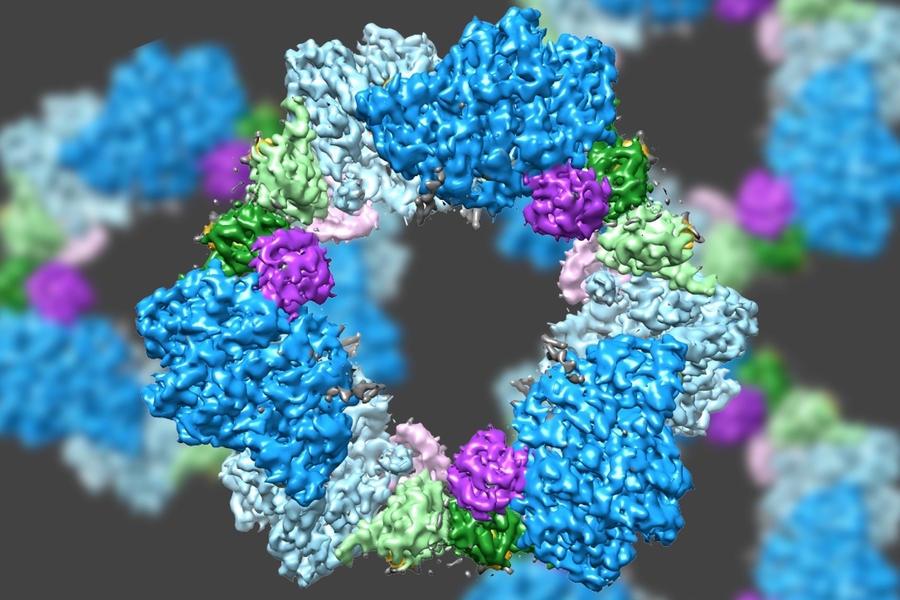
enzyme
noun
A protein that helps speed up metabolism or the chemical reactions inside the body.
Example: Globular proteins are very important in biological systems and act as ENZYMEs, hormones and transport and receptor proteins.
fr: enzyme
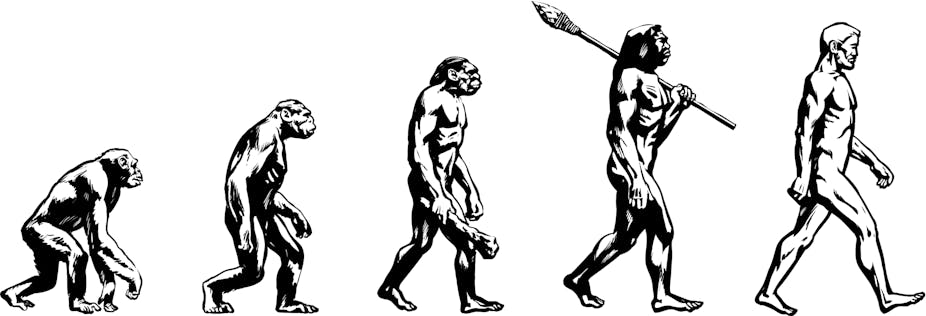
evolution
noun
The process by which new species or populations of living things develop from preexisting forms through successive generations.
Example: Rather than indicating that substrate size is insignificant in primate EVOLUTION, this perhaps suggests the degree to which travel in terminal branches has shaped primate anatomy.
fr: évolution
genes
noun
Sections of DNA that determine a living being's traits, usually inherited from the parents.
Example: He determined a distinction between genotype and phenotype, the genotype having two alleles or GENES, in most cases on being 'dominant' and expressed and the other being 'recessive' hidden.
fr: gènes
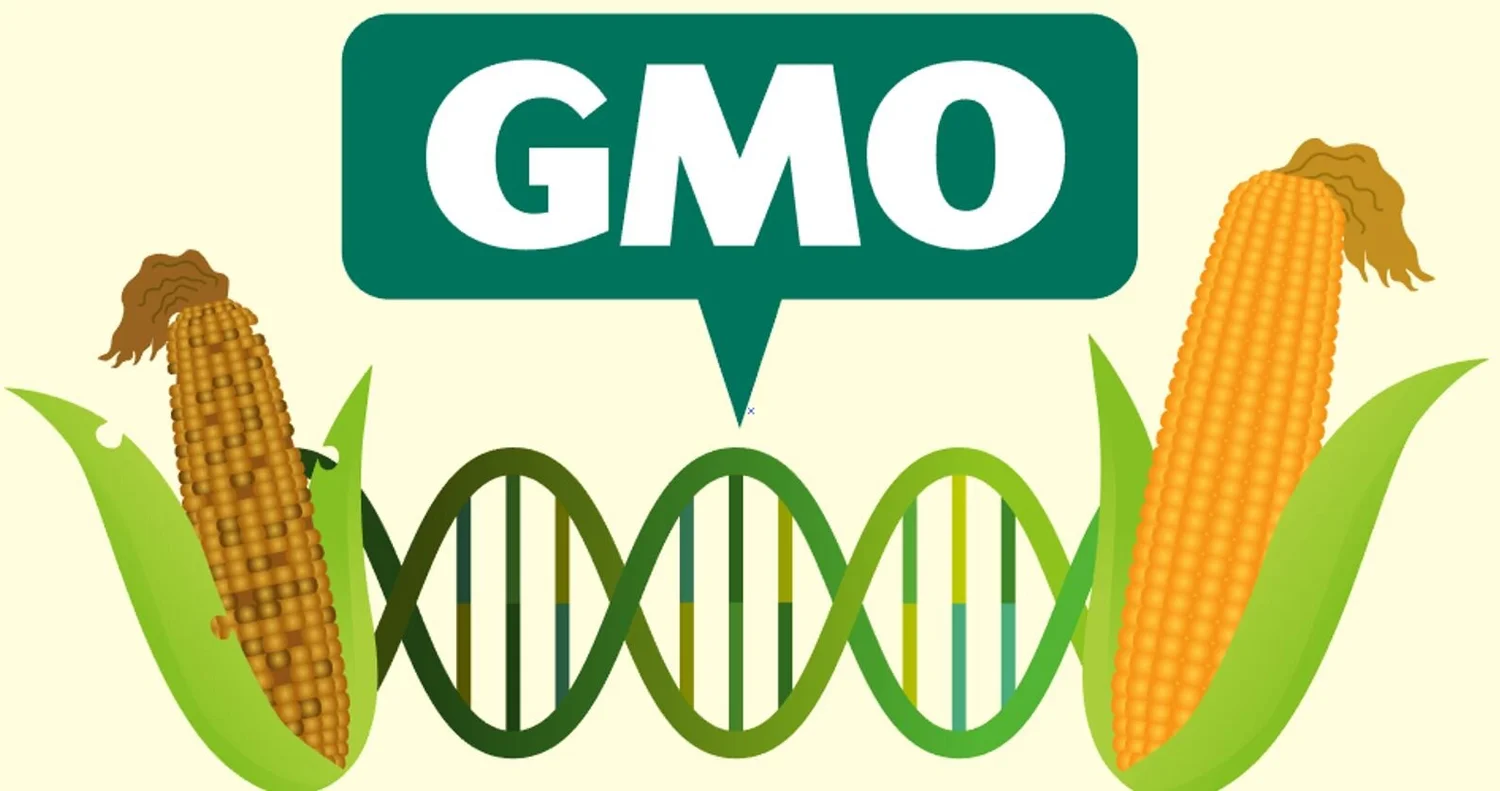
genetically modified organism (GMO)
noun
An organism in which one or several changes have been made to the genome, typically using high-tech genetic engineering, in an attempt to alter its characteristics.
Example: Among those factors are increasing world competition on the GMO crop market, especially faced form Argentina and Brazil, but also increasing consumers awareness and pro-environmental attitudes all over the world.
fr: organisme génétiquement modifié (OGM)
genetics
noun
The study of genes, variations within a species and how characteristics are passed on from one generation to the next.
Example: Just because primates are a close resemblance to human physiology and GENETICS, does not mean they are a suitable substitute for an exact match.
fr: la génétique
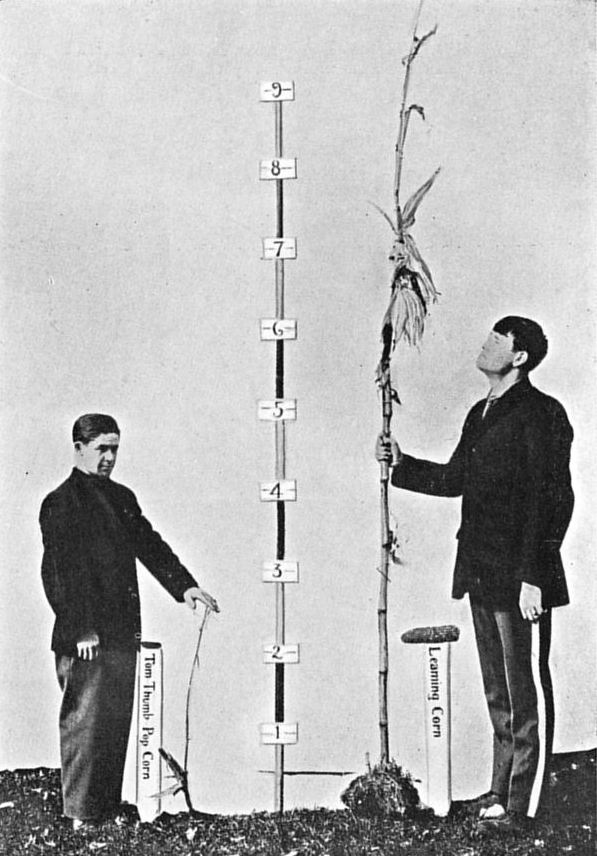
heritable
adjective
Describes a characteristic that is transmissible from one generation to the next.
Example: For one, studies comparing identical and fraternal twins (who share nearly 100 percent and roughly 50 percent of their genes, respectively) and of families indicate that the disorder is strongly HERITABLE, suggesting there may be a genetic component.
fr: héréditaire
metabolic
adjective
Relating to the chemical processes inside the body that are required for life.
Example: Fossil records reveal the development of organisms such as cyanobacteria, which release oxygen as a bi-product of METABOLIC activity.
fr: métabolique
muscle fibre
noun
A structural cell that forms the muscles of the body.
Example: Muscle cramps occur when a single skeletal MUSCLE FIBRE, muscle, or entire muscle group contracts involuntarily.
fr: fibre musculaire
organism
noun
An individual living thing that carries on the activities of life by means of organs which have separate functions but are dependent on each other : a living person, plant, or animal.
Example: Listeria is an ORGANISM that can cause serious or fatal infections in children, the elderly, and others with weakened immune systems.
fr: organisme
physiology
noun
The branch of biology that studies the functioning of the body.
Example: Some individuals may respond differently to each substance based on their unique PHYSIOLOGY.
fr: physiologie
transgenic
adjective
Referring to an organism or cell whose genome has been altered by the artificial introduction of one or more foreign DNA sequences from another species.
Example: The Auburn scientists are hoping to get their TRANSGENIC catfish approved to be sold and eaten.

:max_bytes(150000):strip_icc()/3-D_DNA-56a09ae45f9b58eba4b20266.jpg)